
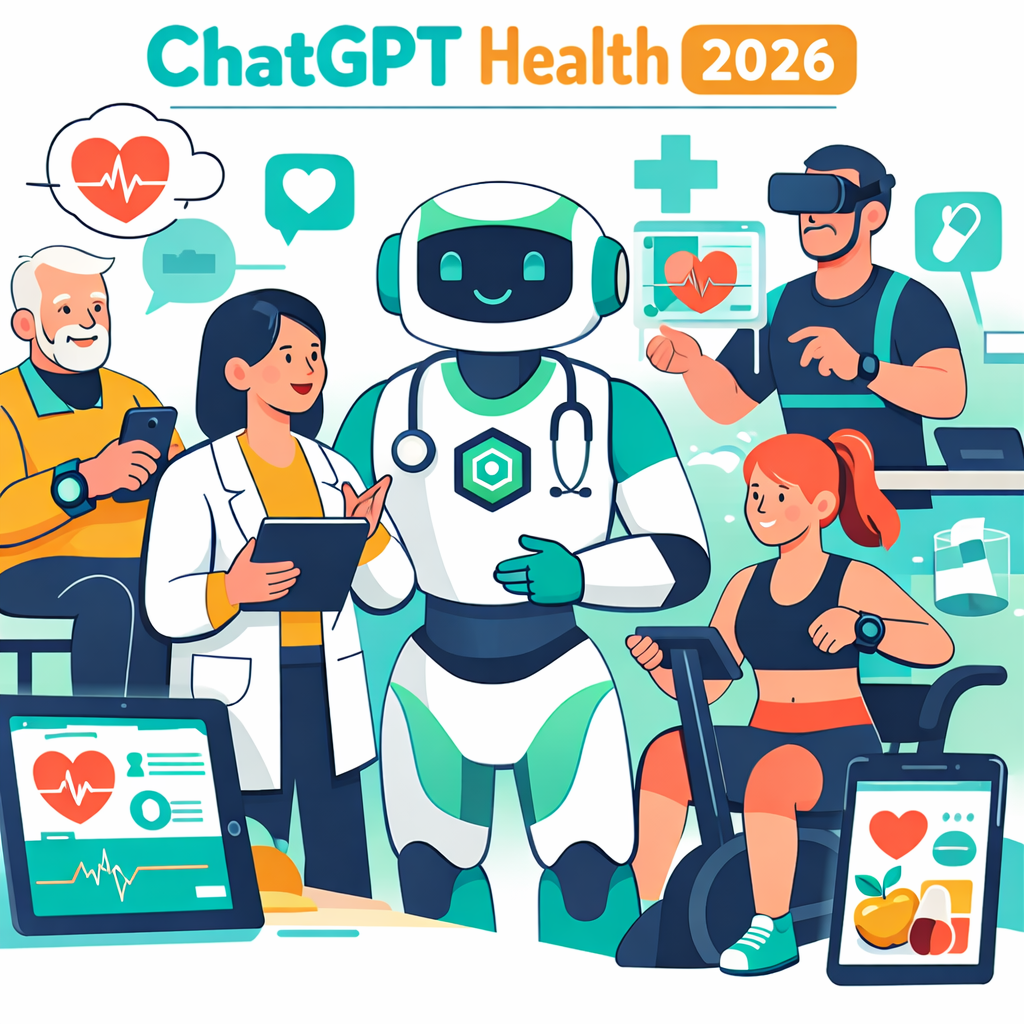
ChatGPT Health 2026: Integrate Data Apps for Smarter Client Conversations in Wellness
Introduction
Early 2026 marked a game-changer in digital wellness: OpenAI launched ChatGPT Health, enabling users to securely link their medical records, wearables, and wellness apps like Apple Health to an AI that finally makes sense of their health data. At LAB325, we see this as the beginning of a new era in wellness communication where fragmented data becomes fluid dialogue, and AI transforms numbers into actionable narratives that clients understand, trust, and follow.
The Trend: Data Meets Conversation
ChatGPT Health now handles over 230 million health-related queries weekly. It doesn’t just spit out charts—it translates biometrics, labs, and trends into personalized, human-language insights. Think:
- “Elevated A1c” becomes “Here’s your 3-month blood sugar trend and three simple tweaks.”
- Gait asymmetry from a wearable becomes “You favor your left side post-surgery—here’s what to adjust.”
Through platforms like b.well or direct API integrations, ChatGPT pulls from EHRs, wearables, and analysis apps. The result? Custom GPTs tailored for niche needs like longevity, rehab, metabolic health, or even stress resilience.
How It Works in Practice
This shift isn’t theoretical. It’s already happening:
- Clinics upload client labs. AI preps session notes and personalized discussion points.
- Longevity coaches connect trackers to receive real-time protocol recommendations: “Reduce evening carbs based on your glucose spike.”
- Spas and wellness hotels white-label the tech. Guests ask: “Analyze my sleep data,” and get tailored recovery tips.
Better Engagement and Accountability
Clients feel more understood when their coach speaks in terms informed by their own health patterns. Integrating data apps helps shift client interactions from surface‑level conversations to deeper, data‑backed dialogues, enhancing trust and motivation.
For example, comparing weekly activity patterns against wellness goals helps clients visualize progress (or plateaus) and focus on actionable adjustments.
Here’s how integration shows up in real life:
Mental Well‑Being and Lifestyle Coaching
Data from sleep, stress scores, and activity can help coaches identify burnout and recommend balanced routines. Using real sleep metrics or activity variances gives context to seemingly “subjective” discussions, making coaching more actionable.
Fitness and Movement Guidance
Whether a client tracks workouts in Apple Health or Peloton, aligning recommendations with actual performance metrics leads to smarter plan adjustments, fitness goals, and recovery strategies.
Nutrition and Habit Reinforcement
Apps like MyFitnessPal reveal nutrition patterns — and when aligned with wellness aspirations, highlight opportunities for sustainable habit change. ChatGPT Health can summarize trends and suggest informed next steps.
Preparing for Medical Conversations
Before a doctor visit, clients can use ChatGPT Health to generate structured lists of questions, interpret lab data, and focus on key concerns — making each appointment more productive.
Who Wins Big?
- Wellness & Longevity Experts: Scalable coaching with hyper-personalized insights—without growing headcount.
- Rehab & Prosthetics Clinics: Translate complex motion data into everyday terms for faster recovery.
- Hospitality Industry: Boost retention with data-driven wellness nudges and exclusive AI concierge health experiences.
- Small Clinics: Cut admin time by 40% using automated client reports and summaries.
Final Thought
ChatGPT Health is not just an upgrade—it’s the interface between wellness data and human understanding. At LAB325, we’re building the tools that make this future accessible, actionable, and personal.
Want to learn how to integrate AI-powered conversations into your client experience? Drop us a message. Contact us to prototype your data-chat wellness app, and elevate client communication today.